

 En
En  Deutsch
Choosing safe and responsibly made kitchen tools has become a top concern for informed consumers. Questions around BSCI Bakeware audits are increasingly common in industry forums and buyer discussions, especially when products are intended for markets with strong supply chain expectations. At the same time, many people also ask about LFGB Bakeware safety standards, wondering how production practices and product testing intersect when assessing bakeware quality. That’s because BSCI (Business Social Compliance Initiative) audits and LFGB (German food contact regulation) requirements serve very different purposes — one focusses on social responsibility and the other on food-safety compliance.
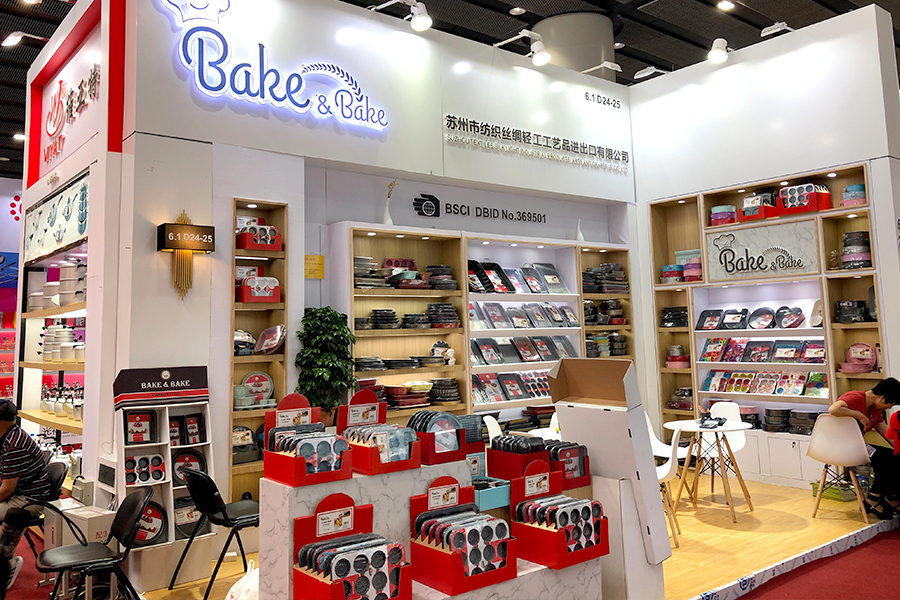
What Does a BSCI Audit Really Check?
A BSCI Bakeware audit is not a lab test for chemicals or food contact safety. Rather, it’s a third-party assessment of how a factory operates. Its scope includes:
Worker rights and working hours
Health and safety procedures
Management systems and documentation transparency
Compliance with a code of conduct that reflects OECD due-diligence principles
BSCI audits are often required by large retailers before they’ll approve a new supplier. However, many buyers are surprised to learn that passing a BSCI audit doesn’t mean the bakeware itself has been tested for chemical safety or food contact concerns.
Why Consumers Ask About Worker Rights and Production Transparency
Across social platforms and industry exchanges, there’s a recurring theme: buyers care not only about how bakeware performs in the oven, but who makes it and under what conditions. Questions like “Does BSCI Bakeware ensure fair labor practices?” reflect a broader trend toward ethical manufacturing. When brands and factories share audit results or compliance summaries, they help build consumer trust without losing focus on product quality.
At Wuyi Zelangjia Industry Co., Ltd., we understand that ethical production practices matter. We support clear communication about factory audits and welcome sensible scrutiny — because transparency in sourcing is linked to reputation and long-term customer relationships.
Where LFGB Requirements Fit Into the Picture
While BSCI focuses on people and processes, LFGB Bakeware standards govern the materials and products themselves. Germany’s LFGB food contact regime requires specific tests to confirm that no harmful substances migrate into food during normal use. This isn’t about worker welfare, but about migration safety, taste, odor, and substance limits under specified conditions.
So consumers are right to ask: “Is a bakeware product safe to use at high temperatures?” The answer lies with material-level and finished-product testing like LFGB compliance, not factory audits alone.
Combining Both Perspectives
Factory audits and product testing are complementary. A factory might receive a positive BSCI Bakeware audit indicating responsible operations, but buyers and end customers should still ask about LFGB Bakeware testing to ensure food safety compliance. This dual approach reflects a new maturity in buyer behavior: ethical supply chains and product performance are both required to win confidence.
Buyer forums also reveal confusion about how these assessments are communicated. Some people have noted that labels or certifications can be unclear, causing questions about whether the product or just the raw materials were tested to LFGB standards. Answers in communities often highlight the importance of finished-product testing for meaningful safety reassurance — not just raw material claims.
Balancing Ethics and Consumer Safety
The modern consumer expects more than just functionality from kitchen tools like bakeware. Understanding that BSCI Bakeware audits and LFGB Bakeware food contact standards serve distinct purposes helps clarify what questions to ask. BSCI covers factory practices, while LFGB focuses on what is safe for your oven and food.
Clear information, credible documentation, and open dialogue between manufacturers, suppliers, and buyers are key to meeting these growing expectations. At Wuyi Zelangjia Industry Co., Ltd., we encourage buyers to look beyond a single certification and understand the full compliance picture — from ethical workplace standards to stringent food contact safety.
