

 En
En  Deutsch
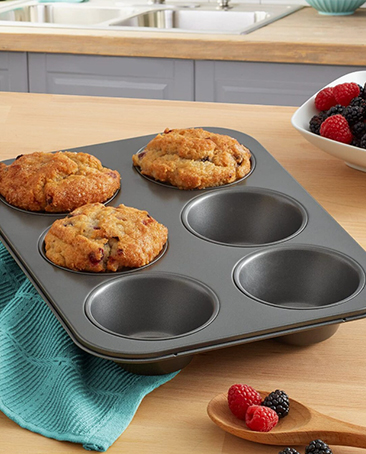
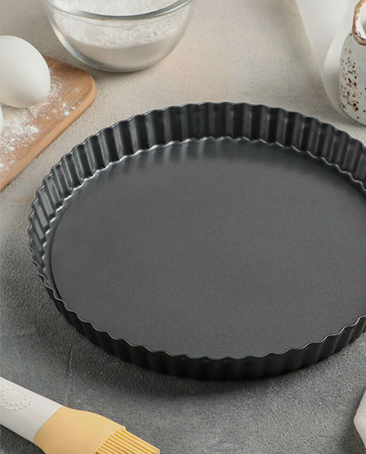
Talking about non stick coating bakeware often leads people to focus only on food release and ease of cleaning. Yet the coating itself can influence how heat is distributed across a tray during baking, and that matters for texture, browning, and final quality. Combining baking molds with thoughtful coating and substrate choices can make a noticeable difference in everyday results — and that’s why professionals and serious home bakers alike pay attention to what happens beneath the surface.
Thermal Conductivity of Coated Surfaces
A coating isn’t just a slick surface — it’s a physical layer bonded over metal. The core job of more non-stick coatings is to reduce friction between food and the tray, but every layer of material adds some resistance to heat flow. Modern non stick coating bakeware typically uses PTFE-based or similar polymer systems. While these help food release, polymers generally conduct heat less effectively than metal.
Coatings act as a barrier that heat must traverse before influencing the batter or dough.
On thicker coatings, that heat transfer can be slightly slower or less uniform compared with uncoated metal.
Because the coating adds a thin thermal buffer, heat can reach the center of a tray more slowly, affecting how evenly items bake — especially at higher oven temperatures.


Substrate Material and Heat Spread
The metal beneath the coating is often the real workhorse in heat distribution. Carbon steel and aluminized steel are common choices for baking molds because they conduct heat more uniformly than lighter metals, helping achieve more even browning and rise.
A few practical insights:
Steel cores help spread heat laterally across the tray.
Thicker gauge metal resists hot spots and reduces warping, which further supports consistent temperature distribution.
Coating application quality matters: uneven coating layers can create micro-variations in thermal resistance, leading to subtle hot and cool zones.
At manufacturing scale, controlling these variables — coating thickness, metal thickness, cure profile — improves performance across repeated bake cycles.
High Temperature Impacts
Many non-stick coatings are designed for moderate oven temperatures — typically below around 260 °C (500 °F). At higher heat, bonding within the coating begins to degrade, and that degradation affects both sticking and thermal response.
Baking at extreme heat:
Can stress the polymer coating beyond its optimal performance range.
Long exposure to high temperature can break down the coating chemical structure, reducing its ability to transmit heat evenly.
Coating degradation over time can create areas that heat differently, affecting crust formation and structural integrity of baked items.
Because of these factors, professional bakers often reserve uncoated or specially engineered surfaces for very high temperature tasks, while relying on non stick coating bakeware for everyday baking at moderate temperatures.
User Practices That Influence Heat Distribution
Even the best coated bakeware can underperform if used improperly. Several common practices seen in baking communities contribute to uneven heat distribution or quicker coating wear:
Pre-heating empty trays can create thermal shock; coatings may experience micro-cracking that alters heat transfer.
Abrupt temperature changes, like rinsing hot trays with cold water, can warp metal and disrupt consistent heating.
Metal utensils and abrasive scrubbing introduce scratches that affect both release and local heating behavior.
Simple adjustments — like inserting batter before pre-heating and using gentle tools — help maintain the heating integrity of the surface over longer use.
Coating Wear and Its Thermal Effects
Coating wear doesn’t just reduce non-stick performance; it also affects heat distribution. As coatings wear down or develop microscopic defects, the uniform thermal boundary becomes less predictable. Food can begin to cook faster in exposed metal areas and slower over coated ones.
Signs that performance may be compromised:
Uneven browning or patchy texture in baked goods.
Soggy or underbaked spots in thicker doughs.
Increased sticking in certain areas despite oiling or parchment use.
At Wuyi Zelangjia Industry Co., Ltd., blending consistent coating applications with robust base materials helps minimize these discrepancies and extend useful life.
