

 En
En  Deutsch
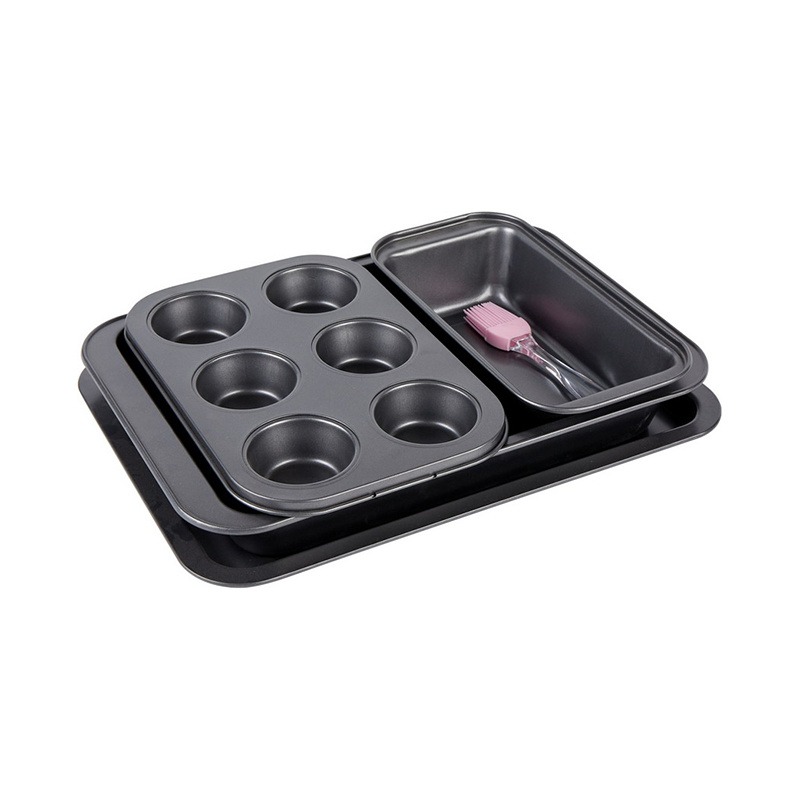
Concerns about the safety of non stick coating bakeware have become increasingly common among home bakers and professional chefs alike. With discussions about chemical exposure, wear and tear, and potential ingestion of coating particles rising across forums and social platforms, many people are asking whether their everyday bakeware is still safe to use. This is especially true for consumers considering products from a trusted Cake Mold Manufacturer like Wuyi Zelangjia Industry Co., Ltd., which produces a range of coated bakeware designed for ease of use and cleanup.
Understanding Non‑Stick Coating Bakeware
Non stick coatings are engineered to create a smooth surface on baking pans and cake molds, preventing food from adhering and reducing the need for oils or sprays. These coatings often rely on fluoropolymers like PTFE (polytetrafluoroethylene), which have been widely used in cookware and bakeware for decades. When applied correctly and used within recommended temperatures, they can offer a more convenient baking experience for everything from cookies to specialty cakes. However, there are important safety considerations to keep in mind as these coatings age or are subjected to high heat.
Why Safety Questions Arise
Many discussions around non stick bakeware focus on potential health risks associated with heating coatings beyond safe temperature limits or using bakeware with damaged surfaces. For instance:
Chemical Breakdown at High Temperatures: Non stick coatings may begin to degrade and release fumes when subjected to high temperatures (usually above around 500°F / 260°C). While everyday baking rarely reaches these extremes, leaving an empty pan in a hot oven or using the wrong temperature setting can accelerate coating breakdown.
Flaking and Ingestion Risk: Over time, especially with frequent metal utensil use or aggressive cleaning, coatings can scratch and flake. Though small particles may pass through the digestive system without major harm, the potential for long‑term ingestion remains a point of concern for many users.
Persistent Chemical Concerns: Some coatings historically included PFAS (per‑ and polyfluoroalkyl substances), often referred to as “forever chemicals.” These have been the subject of ongoing health debates and regulatory shifts, although modern manufacturing has reduced or eliminated certain problematic compounds in new products.
These factors are frequently discussed by users seeking clarity on whether to continue using their current bakeware or to transition to alternatives with different surface technologies.
Signs Your Bakeware May Be Compromised
Consumers should monitor their bakeware for visible wear and functional decline. Here are some indicators that it may be time to replace or reconsider your non stick coated bakeware:
Visible Scratches or Peeling: Any noticeable damage to the coating surface can be a sign that the effectiveness of the bakeware is compromised. Scratches can also increase the likelihood of food sticking and flaking particles entering your baked goods.
Discoloration or Texture Change: Dull spots, fading, or rough patches could mean the coating is breaking down and no longer performing as originally intended.
Changes in Baking Results: If cakes, cookies, or other items start sticking where they used to release cleanly, this can be a practical sign of coating wear.
Odor or Smoke at Normal Temperatures: Strange smells or smoke before reaching recommended baking temperatures might indicate early coating breakdown.
While modern non stick coatings are designed to withstand typical oven environments, regular inspection ensures that you are using bakeware that maintains both performance and user confidence.
Practical Tips for Safe Use and Longevity
To help extend the life of your non stick coating bakeware and maintain safe usage, consider the following practices:
Use Appropriate Utensils: Avoid metal utensils that can scratch the coating. Opt for silicone, wood, or plastic tools instead.
Follow Temperature Guidelines: Always check the manufacturer’s recommended maximum baking temperatures and avoid unnecessary overheating that could stress the coating.
Gentle Cleaning Methods: Hand‑wash non stick surfaces with soft sponges and mild detergent. Avoid abrasive cleaners or steel wool that can damage the surface.
Rotate Cookware Regularly: If you use multiple cake molds or baking sheets, rotating their use reduces wear on any one piece.
These care strategies help preserve the integrity of non stick surfaces and keep your cake molds performing reliably.
Balancing Convenience and Safety
It’s clear that non stick coating bakeware offers practical advantages for everyday baking — from easier food release to simpler cleanup — and products from Cake Mold Manufacturers like Wuyi Zelangjia Industry Co., Ltd. are designed with these benefits in mind. Nevertheless, being mindful of safety concerns, understanding material limits, and recognizing when replacement is necessary can help bakers make informed choices. By combining good care habits with attention to wear and performance cues, you can enjoy the convenience of non stick bakeware while maintaining confidence in its continued use.
