

 En
En  Deutsch
Non-stick surfaces revolutionized home baking, especially when paired with quality baking molds and non stick coating bakeware, but many cooks find themselves asking a familiar question: why does that once-slippery surface start to lose its release power? It’s not just frustration—it’s a complex interplay of material science, heat, and everyday use that even experienced bakers don’t always understand.
At Wuyi Zelangjia Industry Co., Ltd., we’ve studied user feedback and performance data across thousands of coated bakeware pieces, and there are clear patterns behind coating wear.
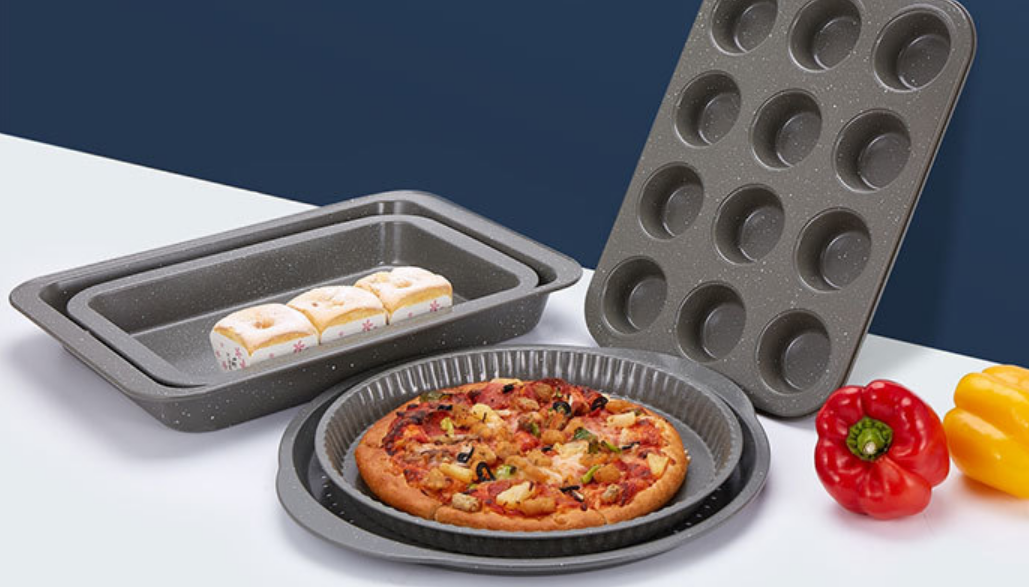
1. Thermal Stress — Slow Degradation Over Time
The core of more coating wear issues lies in repeated thermal cycling: each time you run your bakeware through heating and cooling cycles, microscopic expansion and contraction occur. This incremental stress gradually weakens the coating’s molecular bonds.
Excessive heat accelerates this effect, especially above 250 °C (482 °F).
Even if your oven temperature gauge is accurate, different parts of the tray can heat unevenly, creating “hot spots” that break down the coating irregularly.
Gradual change rather than sudden failure is the hallmark of this mechanism.
2. Mechanical Abrasion — Utensils and Cleaning
Another leading contributor to coating wear is mechanical abrasion: tiny scratches and scuffs created by routine use.
Metal tools, stiff brushes, or scrubbing pads can create microscale damage.
These tiny flaws quickly become entry points for batter or residue, which results in more sticking and accelerated degradation.
Even seemingly harmless contact can encourage surface breakdown over time, especially on softer coatings.
3. Chemical Exposure — Acidic and Residue Issues
While coating materials are engineered to stand up well to typical baking ingredients, acidic foods and certain cleaning agents can gradually weaken surface chemistry.
Acidic batter or citrus-based glazes may subtly react with the outer polymer layer.
Residues left behind from sprays, oils, or harsh cleaning agents can create micro-abrasive environments on subsequent heats.
This is why many experienced bakers end up hand-washing their coated bakeware with gentle detergents.
4. Improper Preheating and Temperature Cycling
One detail often overlooked by end users is how the bakeware is preheated and cooled. Dry pre-heating (placing an empty tray in a hot oven) introduces rapid thermal stress, which can:
Warp the base material, causing the coating to flex beyond its elastic range.
Create surface micro-cracks that later open under baking loads.
Likewise, shocking a hot tray with cold water or placing it on a cold surface post-bake can have similar effects.
5. Material and Coating Quality Variability
Not all coatings are created equal. Multi-layer, high-density coatings typically fare better under repeated use than single-layer ones. The substrate material below the coating also influences how stresses transmit to the surface.
At Wuyi Zelangjia Industry Co., Ltd., we emphasize combining engineered steel thickness, precision coating application, and controlled curing processes to provide long-lasting performance in our non stick coating bakeware.
Common Signs Your Coating Is Wearing Down
Users increasingly ask whether sticky patches or dull surfaces mean imminent failure. Common earlier indicators include:
- Sticky patches during baking where food starts to cling more than expected.
- Uneven browning, which signals inconsistent heat distribution due to coating breakdown.
- Surface dullness or discoloration after many cycles.
Once these symptoms appear regularly, it may be time to reassess the tools you’re using.
Practical Tips to Extend Coating Life
To help prolong coating performance on baking molds or trays:
- Use gentle utensils: Silicone, wood, or nylon tools reduce mechanical abrasion.
- Avoid dry preheating: Add batter or a bit of oil before heating to moderate thermal shock.
- Choose hand-wash care: Abrasive dishwasher detergents and scrubbing can accelerate wear.
- Moderate oven temps: Stay within recommended temperature ranges for your bakeware and coating type.
Overall, non-stick coating wear is a normal outcome of regular use, not a defect. Understanding why it happens and how to slow it down can improve your baking experience and prolong the life of your bakeware. Producers like Wuyi Zelangjia Industry Co., Ltd. continue to refine both baking molds and non stick coating bakeware engineering to balance performance, durability, and user satisfaction.
