

 En
En  Deutsch
Commercial bakery buyers pushing bakeware specs beyond standard home-oven ranges — convection ovens running above 250 degrees Celsius, or combi-ovens cycling between steam and dry heat — need clearer answers about upper temperature limits than a generic product label usually provides. That gap between labeled temperature ratings and actual commercial oven conditions is prompting more buyers to request lab-verified data before committing to modified silicone resin bakeware for high-volume production lines.
Rated Temperature Versus Sustained Exposure
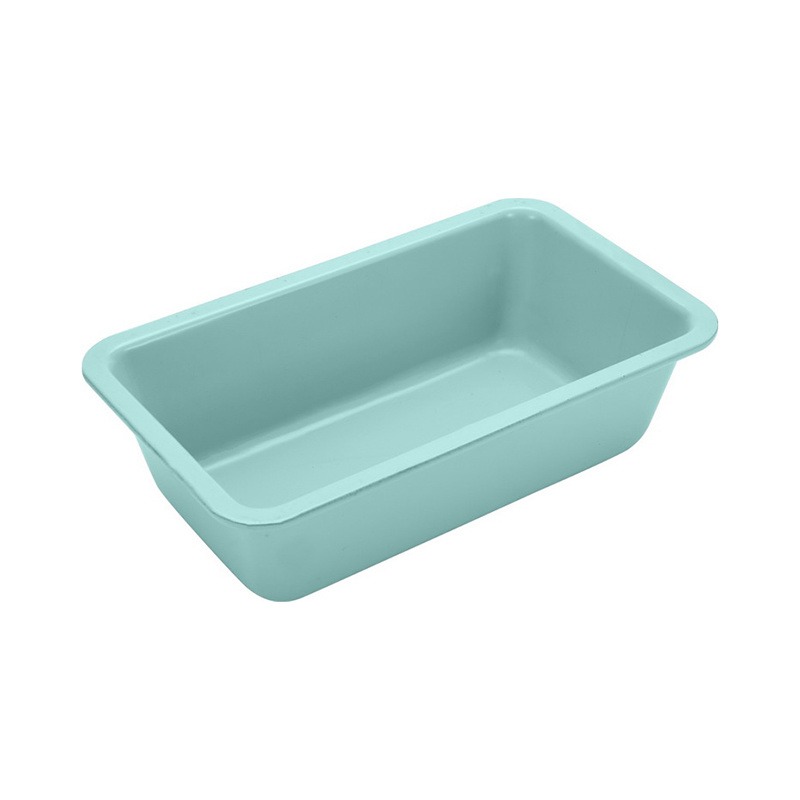
A temperature rating printed on bakeware packaging often reflects short-duration exposure rather than the sustained multi-hour bake cycles common in commercial settings. Modified silicone resin bakeware tested only at brief exposure intervals may pass a basic certification check while still showing shape degradation under the longer, repeated heating cycles a commercial kitchen actually runs. Buyers evaluating suppliers now ask specifically for sustained-exposure test results rather than accepting a peak temperature figure derived from a short test window.
Convection ovens circulate hot air more aggressively than standard deck ovens, exposing every surface of a mold to consistent heat rather than allowing cooler pockets to form near the base. This uniform heat exposure changes the performance profile of modified silicone resin bakeware compared with the same mold tested in a standard oven, since convection airflow can accelerate surface degradation on silicone that would otherwise age more slowly under gentler heat distribution.
Steam Exposure And Material Stability
Combi-ovens that alternate between steam and dry heat introduce a variable that pure dry-heat testing misses entirely. Repeated steam exposure can affect surface texture on some silicone formulations over time, softening the mold release coating faster than dry-heat cycling alone would. Factories producing modified silicone resin bakeware intended for combi-oven use now run combined steam-and-heat cycling tests rather than testing dry-heat resistance in isolation, since a mold passing dry-heat certification does not automatically hold up equally well under steam-heavy commercial baking programs.
|
Oven Type |
Typical Temperature Range |
Additional Stress Factor |
|
Standard deck oven |
Up to 230°C |
Uneven heat distribution |
|
Convection oven |
Up to 260°C |
Aggressive airflow |
|
Combi-oven |
Up to 250°C with steam cycling |
Steam exposure, humidity |
|
Industrial tunnel oven |
Continuous cycling |
Sustained thermal load |
Heat Resistance Testing Protocols
Heat resistance testing on bakeware samples typically runs across multiple exposure durations rather than a single peak-temperature check, since real degradation patterns show up gradually across dozens of heating and cooling cycles rather than during one isolated exposure. Testing labs record shape retention, surface hardness, and color stability at set intervals throughout the cycling process, building a degradation curve that gives buyers a clearer picture of expected service life than a pass-or-fail rating at one fixed temperature.
Buyers sourcing modified silicone resin bakeware for continuous industrial baking lines — where molds move through a tunnel oven for extended periods rather than a fixed batch cycle — request testing data specifically matched to that continuous exposure pattern, since intermittent home-oven testing protocols do not reflect the thermal load a tunnel oven applies over a full production shift.
Reinforcement Additives And Temperature Ceiling
Glass fiber and mineral filler additives blended into the resin formulation raise the practical temperature ceiling on modified silicone resin bakeware compared with unreinforced silicone, though the improvement varies depending on filler concentration and particle distribution throughout the mold. A formulation with uneven filler distribution can show localized weak points that fail below the material's average rated temperature, so manufacturers running quality checks sample-test multiple locations across a single mold rather than testing one spot and assuming uniform performance across the entire surface.
Matching Bakeware Specs To Production Volume
Buyers running lower-volume operations with occasional peak baking demand generally find standard-rated modified silicone resin bakeware adequate for their oven cycling patterns, while continuous high-volume production lines justify the added cost of reinforced, extensively tested bakeware given the cumulative thermal stress those operations place on molds across a full production year.
Suppliers quoting bakeware for a mixed-use facility — one running occasional catering batches alongside a dedicated high-volume line — sometimes recommend two separate bakeware specifications rather than a single universal grade, since standardizing on the higher-rated modified silicone resin bakeware across every station adds cost without added benefit for equipment that never approaches sustained tunnel-oven conditions. Matching spec tier to actual oven duty cycle, rather than defaulting to the highest available rating across an entire facility, keeps procurement budgets aligned with the thermal demands each station genuinely faces.
