

 En
En  Deutsch
An ILAG Non Stick Coating Bakeware product is defined as much by its surface system as by the metal body underneath. In baking tins, trays, loaf pans, and other forms, the coating has to support food release while remaining compatible with repeated heating, cleaning, and handling. This has made bakeware coating development an important part of how manufacturers approach modern baking products.
Coating Becomes Part of the Product Structure
An ILAG Non Stick Coating Bakeware surface is applied onto a prepared substrate, so the performance of the finished item depends on both layers working together. Aluminum, aluminized steel, and steel can require different preparation steps before coating. Surface treatment creates the conditions needed for consistent adhesion.
This matters in coated baking pans because the coating is not simply decorative. Its thickness, adhesion, curing conditions, and surface structure can all influence how the finished pan behaves during baking and cleaning.
Food Release Starts With the Surface
The main reason manufacturers select non-stick systems for bakeware is easier food release. Cakes, breads, pastries, and other baked foods can interact strongly with the baking surface, particularly when recipes contain sugar, fat, or protein.
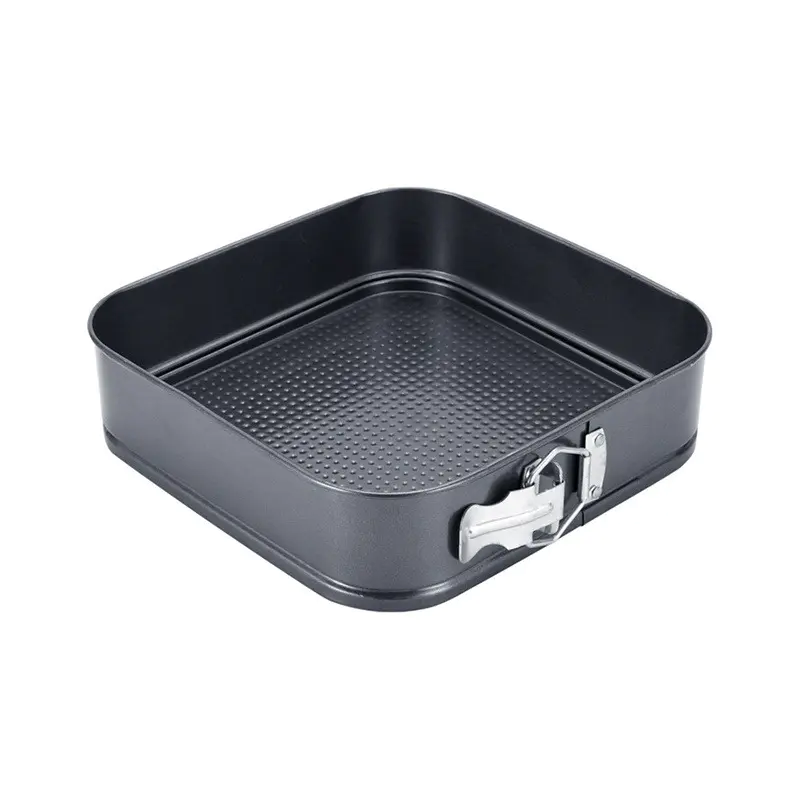
An ILAG Non Stick Coating Bakeware surface can be developed around this release requirement. ILAG offers different coating systems, including two-coat solutions with specific combinations of base and top layers. Baking and demolding tests can be used to assess how readily food separates from the surface after heating.
For non-stick bakeware, release performance is therefore connected with coating formulation and the condition of the finished surface.
Layer Structure Affects Performance
A modern ILAG Non Stick Coating Bakeware system can use more than one coating layer. A base layer can support adhesion, while the top layer contributes to the surface characteristics users experience during baking.
This approach appears across several bakeware coating technologies, although chemistry and thickness vary by product. ILAG offers silicone-based systems as well as fluoropolymer and resin combinations for different bakeware applications.
For manufacturers, selecting a coating system depends on the substrate, baking application, production process, and target performance rather than one universal formula.
Baking Temperature Changes the Requirements
Bakeware surfaces operate under repeated heating cycles, so curing temperature and service temperature are important technical specifications. A coating may require a higher temperature during factory curing while operating at a lower temperature during normal baking.
An ILAG Non Stick Coating Bakeware system therefore needs to be matched with the substrate and manufacturing line. Coating thickness also varies by technology, with some industrial bakeware systems specified around 20–32 micrometers.
For coated baking pans, these variables affect production scheduling as well as the finished surface.
Cleaning Is Part of Long-Term Use
After baking, the surface has to deal with food residue, washing, and repeated handling. A coating that releases food effectively but is difficult to clean may not deliver the expected user experience.
An ILAG Non Stick Coating Bakeware system can therefore be evaluated through both non-stick tests and cleanability tests. Repeated baking and washing cycles can show how the surface behaves over time.
This is particularly relevant for non-stick bakeware intended for frequent household or commercial use, where the surface experiences repeated heating and cleaning rather than a single baking cycle.
Different Bakeware Needs Different Coatings
Not every baking product places the same demands on its coating. A flat baking tray, deep cake pan, loaf tin, roasting dish, and semi-industrial mold can have different geometry and usage conditions.
An ILAG Non Stick Coating Bakeware solution can be selected according to these differences. ILAG's bakeware portfolio includes spray and coil coating systems for baking dishes, roasting products, and semi-industrial bakeware, with different material bases and performance profiles.
For B2B buyers, the coating should be considered together with the product category, substrate, production route, and expected service conditions.
Material Choices Are Expanding
Surface chemistry is also changing as manufacturers evaluate alternatives to intentionally added PFAS and PTFE. ILAG's bakeware range includes fluoropolymer-free systems based on silicone components alongside other non-stick technologies.
For an ILAG Non Stick Coating Bakeware program, this broadens the specification process. Buyers can compare non-stick performance, abrasion resistance, corrosion resistance, cleaning behavior, substrate compatibility, and regulatory requirements according to the target market.
Surface Technology Shapes Modern Bakeware
The development of an ILAG Non Stick Coating Bakeware product involves substrate preparation, coating chemistry, layer structure, thickness, curing, testing, and the intended baking application. The metal body provides the basic form, while the surface system determines how the pan interacts with food and cleaning processes.
For B2B manufacturers and buyers, evaluating coated baking pans through these factors provides a clearer picture of why two visually similar products can behave differently in production and everyday use. The coating has become an engineered part of the bakeware rather than a final cosmetic treatment. For non-stick bakeware, repeated heating and cleaning remain practical conditions that should be considered during product development.
