

 En
En  Deutsch
Two non-stick pans can look identical on a store shelf while relying on entirely different coating chemistry underneath, and the gap between them shows up clearly the moment each one has to clear US food-contact requirements. FDA Bakeware compliance runs through the specific substances used in the coating and the base metal, evaluated against the food contact substance regulations that govern what may legally touch food during normal cooking or baking use. A pan that meets FDA Bakeware standards has cleared this evaluation at the formulation level, not simply passed a general visual or dimensional inspection, and that distinction matters more than it might appear from the outside of a finished product.
FDA Food Contact Substance Rules Target the Coating Layer
FDA food contact substance regulations, primarily found under 21 CFR, list which materials and formulations are permitted for food-contact applications and under what conditions. A non-stick coating has to be formulated from substances that appear on this approved list, and the coating supplier typically provides documentation confirming the specific formulation clears the relevant sections before a bakeware manufacturer commits to using it in production. Wuyi Kaifu Bakeware Co., Ltd. requests this documentation directly from coating suppliers rather than relying on a general industry assumption that a given coating type is universally compliant across every formulation sold under the same general product name.
Carbon Steel Bakeware Coating Faces Its Own Scrutiny
Carbon steel bakeware coating gets evaluated not only for the coating chemistry itself but also for how well it adheres to the metal substrate under repeated heating and cooling cycles, since a coating that flakes or degrades introduces both a food-safety question and a functional defect at the same time. FDA compliance testing for FDA Bakeware typically checks migration behavior at temperatures representative of actual oven use, confirming the coating stays within permitted limits rather than testing only at room temperature or under conditions that understate real baking exposure. The base metal itself factors into this evaluation as well, since a coating can only be considered compliant in the context of the specific substrate it's bonded to during production.
Extraction Testing Simulates Real Cooking Conditions
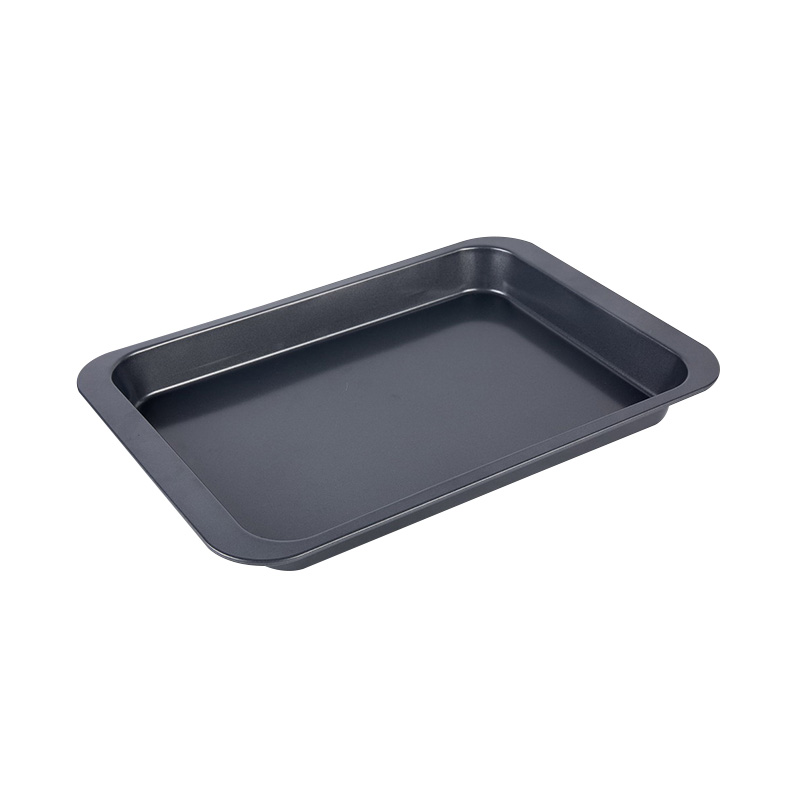
FDA compliance testing for FDA Bakeware generally involves extraction studies where a food simulant, a substance chosen to mimic how actual food interacts with the coating, contacts the pan surface under controlled temperature and time conditions. The results indicate how much of a regulated substance might transfer into food during normal use, and a FDA Bakeware product has to remain within the specified thresholds across this testing to support a compliance claim. This testing approach differs somewhat from the sensory evaluation used under other regional standards, focusing specifically on measurable chemical transfer rather than taste or odor, which makes the underlying data more directly comparable across different production batches of the same coating formulation.
Batch-Level Consistency Matters as Much as Initial Approval
A coating formulation that clears FDA Bakeware testing once doesn't automatically guarantee that every subsequent production batch matches that same chemical profile, since raw material sourcing and coating application parameters can shift over time if not actively controlled. Manufacturers maintaining compliance across ongoing production typically track formulation consistency between batches rather than treating a single test result as a permanent clearance covering all future output under the same product name. This distinction becomes particularly relevant for buyers placing recurring orders over an extended period, where documentation tied to the current production run carries more weight than a certificate referencing an earlier formulation.
Compliance Documentation Supports Import Clearance
Buyers importing FDA Bakeware into the US market rely on this compliance documentation during customs review and retail buyer due diligence, and a supplier able to produce test reports and coating formulation certificates without delay generally moves through this process more smoothly than one assembling documentation only after a buyer requests it. Wuyi Kaifu Bakeware Co., Ltd. maintains this FDA Bakeware documentation alongside its other regional certifications, supporting shipments bound for the US market as part of the same broader compliance framework that covers its European and other export destinations. Keeping this documentation organized by production batch, rather than as a single general company file, gives buyers a clearer paper trail when a specific shipment needs to be traced back to its original compliance testing.
