

 En
 Deutsch
The structure of a cake mold influences more than the final appearance of baked goods. For professional bakeries, wholesalers, and private-label bakeware brands, the opening method, sidewall connection, and material combination all affect how a product performs during production and distribution. A Spring Cake Mold represents a category where mechanical structure plays an important role because the removable side ring changes how users handle delicate cakes after baking.
Removable Ring Design Changes Mold Applications
Traditional cake molds usually require the baked product to be turned out or lifted after cooling. A spring-style structure approaches this process differently by separating the side wall from the base. This design is commonly used for products that are difficult to remove from a fixed mold, such as layered cakes, cheesecakes, and desserts with softer textures.
For bakeware buyers, the structure of a Spring Cake Mold is an important factor when developing product lines for different markets. A simple release process can influence which cake types consumers or professional users choose to make, while the overall construction determines how the mold fits into a wider bakeware collection.
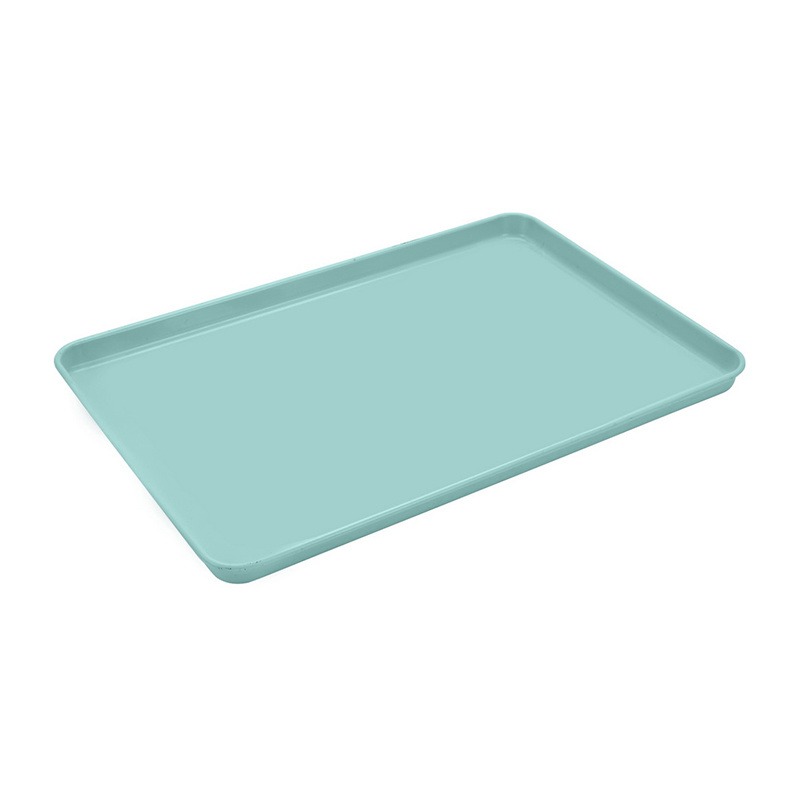
Manufacturers developing this category usually focus on the connection between the removable ring and base plate. The locking mechanism needs to match the intended product positioning, as different markets may have different expectations for handling, appearance, and repeated use.
Manufacturing Details Influence Product Consistency
Producing a reliable spring-style cake mold requires attention to forming, assembly, and finishing processes. The side ring and base plate need to maintain suitable alignment so the mold keeps its intended shape during use. Small differences in forming or assembly can affect how the components fit together.
Material selection is another part of product development. Bakeware manufacturers often evaluate metal properties, surface treatment, and coating options according to the target application. These choices influence heat response, cleaning requirements, and the overall appearance of the finished mold.
For buyers comparing a Spring Cake Mold range, manufacturing details can help distinguish different product options. A professional bakeware supplier may develop multiple sizes and styles based on market needs, allowing distributors to select products suitable for home baking, retail collections, or commercial applications.
Surface Treatment Supports Modern Bakeware Trends
Surface finishing has become an important consideration in bakeware development. Many buyers look for products with smooth surfaces that support easier cake release and convenient cleaning. This has increased interest in Non Stick Bakeware categories across retail and professional markets.
For a Spring Cake Mold, coating selection needs to match the mold structure and intended usage. The removable ring, base plate, and surface treatment work together as one product system. A well-planned surface finish can improve user experience while maintaining the visual quality expected by retail customers.
Private-label brands also consider surface treatment when creating their own bakeware collections. Color, appearance, packaging requirements, and product positioning can be adjusted according to different sales channels while keeping the basic mold structure unchanged.
Size Range Expands Market Opportunities
Different cake styles require different mold dimensions, which is why spring-style molds are often developed in multiple sizes. A bakery supplier may need larger diameters for celebration cakes, while retail brands may prefer compact sizes for household baking collections.
A complete Spring Cake Mold product range can include various diameters and heights to support different applications. For distributors, offering several options helps match different customer groups without creating completely different product structures for every market.
Size planning also affects production efficiency. Manufacturers can organize tooling, forming processes, and packaging arrangements based on the expected product series. This approach helps maintain consistency when buyers order multiple sizes under one product line.
Custom Development Expands Brand Options
Customization is another area where spring-style cake molds are commonly developed for B2B markets. Brands may require specific colors, packaging designs, surface finishes, or size combinations to match their product strategy.
When developing a customized Spring Cake Mold, buyers usually provide information about target users, sales channels, and expected product positioning. The manufacturer can then evaluate suitable structures and finishing options according to those requirements.
A customized Springform Pan collection may include different sizes, coating choices, and packaging solutions while keeping the basic removable-ring concept consistent. This gives brands flexibility when building a complete bakeware range.
Spring Cake Mold Development Follows Market Needs
The growth of specialized baking products has encouraged manufacturers to look beyond simple shape production. Structure, materials, surface treatment, and customization options now work together during bakeware development.
A Spring Cake Mold is a practical example of how a small structural change can create a different product category. The removable ring design supports specific baking applications while giving manufacturers and buyers more opportunities to develop targeted product collections.
For wholesalers, distributors, and private-label companies, understanding these structural differences helps when selecting products for different markets. The future development of spring-style molds will continue to depend on how manufacturers combine functional structures with changing expectations in the bakeware industry.
