

 En
En  Deutsch
Anyone who has baked with a bundform pan has probably experienced the same moment of uncertainty.
The cake looks ready. The baking time is correct. Everything appears normal. Then comes the turning point—literally. The pan is inverted, the baker waits a few seconds, and hopes the cake releases cleanly.
Sometimes it does.
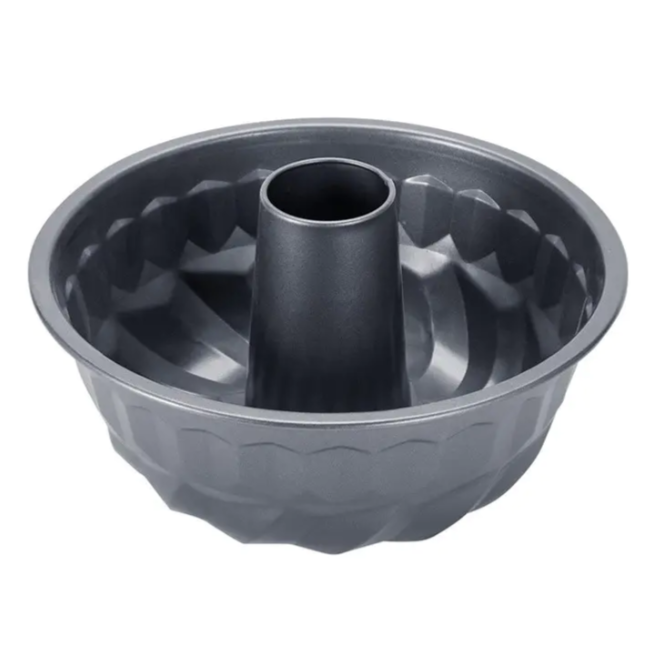
Sometimes a small section remains behind, taking part of the decorative pattern with it.
Interestingly, experienced bakers often discover that sticking problems begin long before the cake reaches the oven.
The Details In The Pan Create More Surface Contact
A bundform pan is different from a simple round cake pan because of its shape.
The center tube, curves, ridges, and decorative patterns create the appearance that makes Bundt-style cakes recognizable. Those same details also create additional surface area where batter comes into contact with the pan.
This means there are simply more places where sticking can occur.
A baker may follow the same recipe used in a traditional cake pan and still see different release results because the geometry of the pan changes the interaction between batter and metal.
Cooling Time Is Often Misjudged
Many home bakers focus heavily on mixing and baking temperatures but pay less attention to what happens afterward.
With a bundform pan, timing during the cooling stage can make a noticeable difference.
Turn the cake out immediately and it may still be too fragile. Wait too long and certain cakes may begin adhering more firmly as sugars cool and settle against the pan surface.
This is why experienced bakers often develop their own release routine through repetition rather than relying solely on a recipe.
The ideal timing frequently depends on both the cake formula and the baking environment.
Not All Batters Behave The Same Way
One reason a bundform pan can feel unpredictable is that different batters interact with the mold differently.
A dense pound cake, for example, may release differently from a fruit-filled batter or a recipe containing higher sugar content.
Even when the pan remains unchanged, the cake itself may respond differently during baking and cooling.
This explains why a baker might achieve perfect results one weekend and encounter sticking issues with a completely different recipe the next.
The pan is only one part of the process.
Tiny Residues Can Affect Future Bakes
A common mistake is assuming the pan is completely clean because it looks clean.
With a bundform pan, decorative grooves and detailed corners can sometimes hold tiny traces of oil, sugar, or baked residue that are difficult to see.
These small remnants may not affect every bake, but over time they can influence how evenly release agents are distributed across the surface.
Professional bakers often pay close attention to these hidden areas because they know that sticking frequently begins in places that receive the least attention during cleaning.
Experienced Bakers Watch The Edges
One interesting habit among experienced users of a bundform pan is how often they observe the outer edges rather than the center.
As the cake cools, small visual clues sometimes appear near the perimeter. Slight separation from the pan wall can indicate that release is progressing naturally.
These observations are rarely dramatic.
Instead, they are subtle signs that help bakers decide when to unmold the cake.
Over time, many rely on these visual cues more than the clock.
A Good Release Usually Starts Before Baking
People often think of cake release as the final step.
In reality, successful use of a bundform pan usually begins much earlier. Preparation, batter characteristics, cooling habits, cleaning practices, and attention to small details all contribute to the final result.
The moment when the cake leaves the pan may last only a few seconds.
Yet those few seconds are often influenced by everything that happened before the pan ever entered the oven.
That is why experienced bakers rarely describe cake release as luck.
More often, they see it as the outcome of many small decisions working together.
