

 En
En  Deutsch
A cake mold passing every dimensional and food-safety check still leaves one question unanswered for a growing share of retail buyers: what were the working conditions like on the line that produced it. A BSCI cake mold carries an answer to that question built into its sourcing paperwork, since the Business Social Compliance Initiative audits the factory itself rather than the product, covering labor practices, working hours, and workplace safety across the facility where the mold was made. This distinction matters increasingly to buyers who track supply chain ethics as closely as product specifications, and it explains why a BSCI cake mold listing carries weight beyond the mold's physical attributes.
What a BSCI Audit Actually Evaluates
A BSCI cake mold comes from a facility that has gone through third-party assessment against a defined code of conduct covering fair wages, reasonable working hours, occupational health and safety, and the absence of forced or child labor. This is a different kind of scrutiny than a food-contact material test, which checks what the product is made of rather than how the people making it were treated. A BSCI factory audit typically reviews payroll records, interviews workers directly, and inspects the physical production floor for fire exits, ventilation, and machine guarding, building a picture of the facility that a product sample alone could never provide. The audit report that comes out of this process becomes part of the documentation a buyer can reference during their own supplier qualification process, independent of anything printed on the product's packaging.
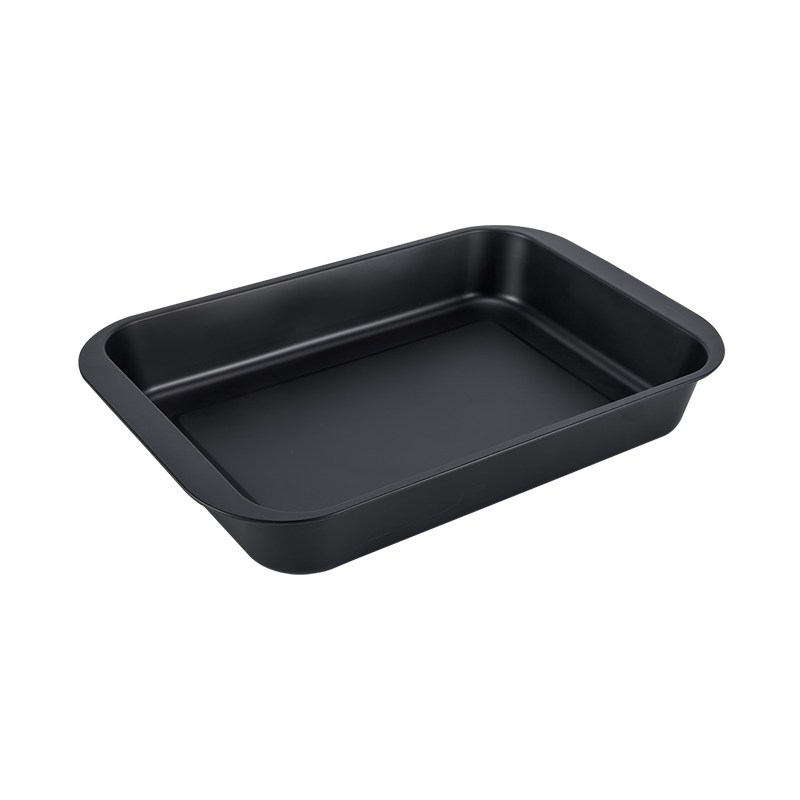
Retail Buyers Increasingly Require This Documentation Upfront
Large retail chains and European importers now frequently list BSCI compliance as a baseline requirement before a supplier even reaches the product-sampling stage, which has shifted ethical bakeware sourcing from an optional selling point to a standard line item on a supplier questionnaire. Wuyi Kaifu Bakeware Co., Ltd. maintains this audit status alongside its food-contact certifications, keeping the social compliance side of a purchase order moving at the same pace as material testing and dimensional approval rather than treating it as a separate, slower-moving track.
Audit Status Requires Ongoing Renewal, Not a One-Time Check
A BSCI audit result reflects conditions at the facility on the day of assessment, and maintaining that status calls for periodic re-audits rather than a certificate that stays valid indefinitely once issued. Buyers evaluating a BSCI cake mold supplier should confirm the audit date is current and ask what corrective actions, if any, followed the latest assessment, since a supplier that discusses this openly is generally further along in building a durable compliance program than one that treats the audit as a formality to clear once and move past.
Certification Sits Alongside Product-Level Compliance
A BSCI cake mold still has to meet the same food-contact material standards that apply to any other bakeware product moving through export, which means BSCI compliance runs in parallel with FDA, LFGB, or other material certifications rather than replacing them. Buyers building a private-label program around a BSCI cake mold supplier that holds both social compliance and material safety credentials get a fuller picture of the factory behind the product, covering both what the mold is made from and the conditions under which it was manufactured.
