

 En
En  Deutsch
A bakery stocking both rigid metal pans and flexible silicone molds isn't just offering variety for its own sake. The two materials behave differently enough during actual baking that the choice between them affects cake structure, release quality, and how a mold holds up across repeated use. A Carbon Steel Cake Mold occupies one end of that spectrum, built around rigidity rather than the flexibility that defines its silicone counterpart.
Rigidity Supports Structure That Flexible Molds Can't Match
A Carbon Steel Cake Mold holds its shape under the weight of wet batter without deforming, which matters particularly for tall layered cakes, dense pound cakes, and recipes where the mold needs to support significant weight before baking sets the structure. This rigidity means a Carbon Steel Cake Mold contributes to shaping the final product rather than relying on the batter to hold its own form during the pour and initial bake. A flexible mold, by contrast, can bow slightly under the same weight, which changes the finished shape in ways that matter more for structured cakes than for smaller, lighter items.
Heat Transfer Characteristics Differ From Flexible Alternatives
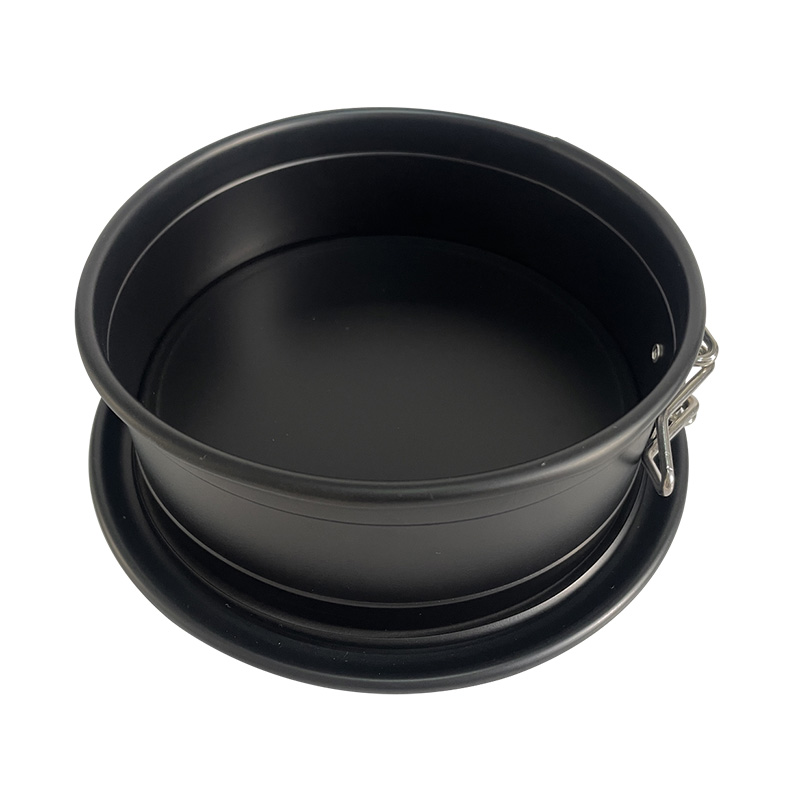
Metal conducts and distributes heat differently than silicone resin does, and this affects how evenly a cake bakes across its surface. A Carbon Steel Cake Mold tends to transfer heat quickly and consistently across its full surface area, which supports even browning and reduces the chance of a hotspot forming in one section of the pan. Silicone-based molds respond to oven heat more gradually, which suits delicate items like sponge cakes where a slower, gentler heat transfer helps prevent overbrowning on the exterior before the interior finishes baking.
Coating Choice Affects Release Performance on Rigid Molds
Since a Carbon Steel Cake Mold doesn't flex to help release a finished cake the way a silicone mold does, surface coating plays a larger role in how cleanly the cake separates from the pan. Non-stick coating bakeware built around a carbon steel base typically relies on this coating layer to compensate for the lack of natural flexibility, and coating quality becomes a more direct factor in release performance than it would be on a mold that can simply be peeled away from a finished product. Buyers comparing Carbon Steel Cake Mold options should weigh coating type and durability more heavily than they might when evaluating flexible alternatives.
Wall Gauge Consistency Affects Long-Term Shape Retention
Carbon steel bakeware gauge consistency across a mold's walls determines how well the pan resists warping after repeated heating and cooling cycles. A mold with uneven gauge can develop a slight bow over time, particularly at wall sections that run thinner than the surrounding structure, which affects both baking evenness and how flush the mold sits during stacked storage. This consideration doesn't apply the same way to silicone resin molds, since their flexible nature accommodates minor dimensional variation without developing the kind of permanent warp a rigid metal structure can hold onto.
Application Range Points Toward Different Cake Categories
A rigid cake mold structure suits layered cakes, pound cakes, and other recipes where structural support during baking matters, while a modified silicone resin cake mold better serves sponge cakes, mini cakes, and delicate items that benefit from gentle, flexible release. Bakeries and retailers stocking across both categories typically maintain separate inventory for each material rather than treating them as interchangeable options for the same recipe types, since the structural and thermal differences between the two materials produce genuinely different baking outcomes rather than just a difference in handling convenience.
Where Both Material Lines Fit Within Broader Production
Wuyi Zelangjia Industry Co., Ltd. produces both carbon steel and modified silicone resin bakeware within the same manufacturing operation, giving distributors a way to source structurally rigid and flexible mold options from a single supplier relationship. Production runs across a 6,000 square meter facility with FDA, LFGB, DGCCRF, ISO 14001, and BSCI approval covering both material lines, which allows buyers building a mixed bakeware assortment to apply the same compliance documentation across carbon steel and silicone resin orders rather than qualifying each material separately.
